Vitamin D3 Injection

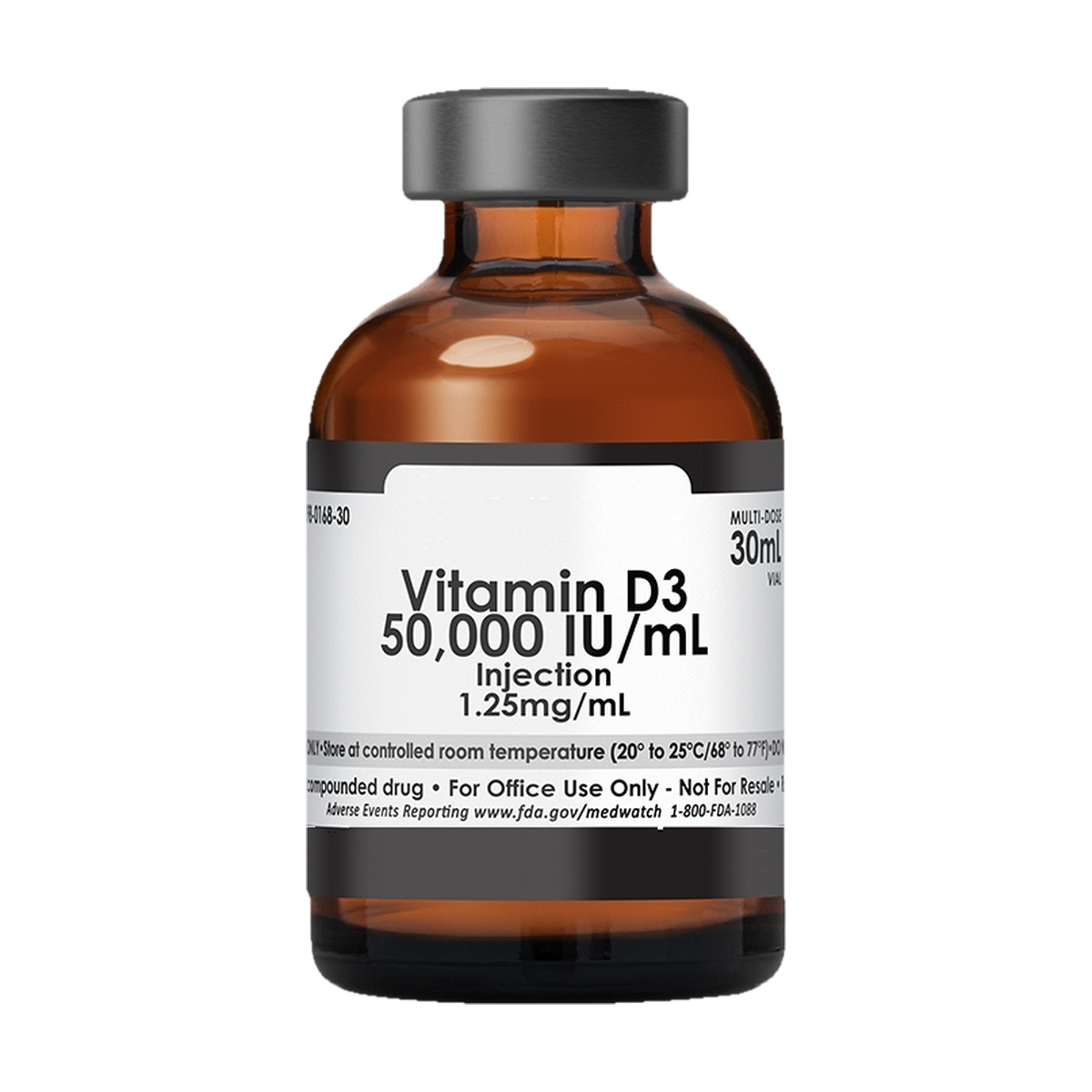
Vitamin D3 (Cholecalciferol) at 50,000 IU/mL in an MCT oil base delivers the body’s preferred, naturally occurring form of vitamin D at therapeutic concentrations not achievable through oral supplementation. Supports calcium absorption, bone health, immune function, and correction of clinically significant vitamin D deficiency via IM injection.

SHARE THIS PRODUCT:

Vitamin D3 Injection: Cholecalciferol 50,000 IU/mL in MCT Oil Base

Vitamin D3 (Cholecalciferol) is the natural form of vitamin D that the human body produces from sunlight exposure. It is metabolized to calcitriol, the active hormonal form that regulates calcium and phosphorus absorption, supports immune function, and maintains healthy bone density. At 50,000 IU/mL in an MCT oil base, this injectable formulation provides therapeutic-level vitamin D3 correction through intramuscular administration, bypassing the digestive system and any absorption limitations at the gut level.

Formula

SpecificationDetail
Active ingredientCholecalciferol (Vitamin D3)
Concentration50,000 IU/mL
BaseMCT Oil (Medium Chain Triglycerides)
RouteIM only
StorageControlled room temperature; protect from light

Why D3, and Why Injectable?

D3 vs. D2: Vitamin D is available in two supplemental forms, D2 (ergocalciferol) and D3 (cholecalciferol). D3 is the form the body naturally produces from sunlight and is more potent and longer-lasting than D2 in raising and maintaining serum 25(OH)D levels. Cholecalciferol is the preferred form for most clinical supplementation protocols.

Why MCT oil base: Vitamin D3 is fat-soluble and requires a lipid carrier for proper delivery and absorption. The MCT oil base makes intramuscular injection practical and supports consistent bioavailability.

Why injectable: Vitamin D deficiency is common and often significantly underestimated in scope. Research suggests a majority of the population does not achieve adequate levels through sunlight and dietary sources alone. At 50,000 IU/mL, this formulation provides the high therapeutic dose required for rapid correction of clinically significant deficiency in a single IM injection, without the compliance challenges associated with daily or weekly oral high-dose regimens.

The Role of Vitamin D3 in the Body

Calcium and phosphorus absorption: Calcitriol (the active form of D3) increases the absorption of calcium and phosphorus from the gut, making it essential for bone mineralization and density maintenance.

Bone health: Vitamin D is essential to normal bone formation and maintenance. Severe deficiency leads to softening of the bone (osteomalacia in adults), reduced bone density, and increased fracture risk.

Immune function: Vitamin D receptors are present on immune cells throughout the body. Active D3 supports both innate and adaptive immune responses and plays a role in modulating inflammatory activity.

Muscle function: Vitamin D supports normal muscle contraction and neuromuscular function. Deficiency is associated with muscle weakness and increased fall risk, particularly in elderly patients.

Mood and cognitive function: Vitamin D receptors are found throughout the brain. Low D levels have been associated in research with mood disturbances and cognitive decline, though the causal relationship is still being studied.

Clinical Applications

Vitamin D3 Injection is commonly used in practices for:

  • Vitamin D deficiency correction: Providing rapid, measurable increase in serum 25(OH)D in patients with confirmed or clinically suspected deficiency
  • Post-bariatric surgery nutritional management: Bariatric patients have significantly impaired fat-soluble vitamin absorption; injectable D3 bypasses this limitation entirely
  • Malabsorption conditions: Patients with celiac disease, Crohn’s disease, or short bowel syndrome who cannot reliably absorb oral vitamin D
  • Elderly patients: Reduced sun exposure, impaired skin synthesis, and reduced kidney conversion of D3 to calcitriol make injectable supplementation particularly relevant for older adults
  • IV therapy and wellness programs: As a component of comprehensive micronutrient protocols alongside other fat-soluble vitamins and minerals

Benefits

  • Provides high-dose D3 in the body’s preferred natural form
  • Bypasses gut absorption limitations common in deficiency-prone populations
  • MCT oil base supports consistent, reliable delivery via IM injection
  • Single-injection convenience compared to daily or weekly oral high-dose regimens
  • Supports bone health, immune function, muscle function, and calcium homeostasis

Dosage

Dosage should be determined by the ordering provider based on the patient’s serum 25(OH)D levels, clinical presentation, and therapeutic goals. Dosing for acute deficiency correction differs significantly from maintenance protocols. Monitor serum calcium and 25(OH)D levels during treatment to avoid toxicity. Consult current clinical guidelines and state prescribing requirements.

Contraindications

Vitamin D3 Injection is contraindicated in patients with:

  • Hypercalcemia (elevated blood calcium)
  • Hypervitaminosis D (excessive vitamin D levels)
  • Sarcoidosis (granulomatous disease that can cause hypersensitivity to vitamin D)
  • High phosphate blood levels (hyperphosphatemia)
  • Arteriosclerosis with arterial occlusion
  • Kidney stones (nephrolithiasis)
  • Kidney disease with significantly reduced function
  • Known allergy or hypersensitivity to vitamin D or any components of the formulation

Precautions and Toxicity

This is a high-concentration prescription product. At 50,000 IU/mL, dosing must be carefully controlled. Vitamin D toxicity (hypervitaminosis D) is a real clinical risk with high-dose injectable protocols and produces more serious effects than most other injectable vitamins. Monitor patients for signs of toxicity, which include:

  • Nausea, vomiting, poor appetite, constipation
  • Weakness and weight loss
  • Confusion and disorientation
  • Heart rhythm problems
  • Kidney damage

Perform serum 25(OH)D and calcium monitoring before and during treatment. Adjust dosing based on lab values rather than symptoms alone, as toxicity can develop without obvious early warning signs.

Drug interactions: Vitamin D3 may interact with numerous medications including thiazide diuretics (risk of hypercalcemia), digoxin (risk of cardiac arrhythmia), and others. A full medication review is required before initiating.

As a compounded Rx product, Vitamin D3 Injection has not been evaluated by the FDA for safety, efficacy, or quality. Administer only under the supervision of a licensed healthcare provider in accordance with current clinical and state regulatory guidelines.

Who It’s For

  • Medical weight loss and bariatric practices managing post-surgical nutritional deficiencies
  • Primary care and internal medicine providers correcting clinically confirmed vitamin D deficiency
  • IV therapy and wellness clinics offering comprehensive micronutrient injection protocols
  • Geriatric and integrative medicine practices supporting bone health and immune function in elderly patients
  • Functional medicine providers addressing malabsorption-related deficiencies

Pairs Well With

Practices offering Vitamin D3 Injection often combine it with Calcium Chloride Injection, Magnesium Chloride Injection, and B12 Injections as part of a comprehensive micronutrient and bone health protocol.

FAQs

Is a prescription required to order Vitamin D3 Injection?
Yes. Vitamin D3 Injection at 50,000 IU/mL is a compounded Rx product dispensed exclusively to licensed healthcare providers and medical practices. It is not available for direct patient purchase.

Why is Vitamin D3 formulated in MCT oil?
Vitamin D3 is fat-soluble and requires a lipid carrier for effective delivery. MCT oil supports consistent bioavailability and makes intramuscular administration practical.

Why is this product for IM administration only, not IV?
Because D3 is fat-soluble and formulated in MCT oil, it is not suitable for intravenous administration. IM injection allows the lipid-based formula to be absorbed appropriately through muscle tissue.

What monitoring is recommended during treatment?
Serum 25(OH)D and calcium levels should be monitored before and during treatment. At 50,000 IU/mL, vitamin D toxicity is a real risk; dose adjustments should be based on lab values rather than symptoms alone.

What other injectables pair well with Vitamin D3?
Providers often combine Vitamin D3 with Calcium Chloride, Magnesium Chloride, and B12 injections as part of a comprehensive bone health and micronutrient protocol.

 

This is a compounded medication. Compounded drugs are not FDA-approved and have not been evaluated by the FDA for safety, efficacy, or quality. This product is available by prescription only and is intended for use by or on the order of a licensed healthcare provider.

Legere: Your Partner in Success

Helpful In-Depth Research and Information

Top Quality Health Supplements Branded for Your Practice

Expert Guidance to help You Grow Your Medical Practice

Ready to Start Growing Your Practice? Let’s Chat!

Schedule a no obligation/no-pressure call to quickly increase your weight loss clinic’s revenue.