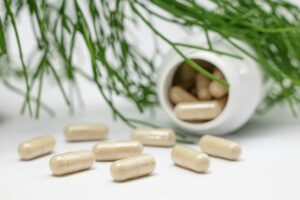
As a professional in the medical field, I’ve seen the growing interest in natural compounds like turmeric curcumin for managing various disease states. Turmeric, a spice long used in traditional medicine, contains curcumin, which has been studied for its potential health benefits. From inflammation to chronic conditions, let’s delve into the science and see where turmeric curcumin might fit into modern disease management strategies.
Understanding Turmeric Curcumin
Turmeric curcumin is not a cure-all, but it’s considered a natural alternative for some conditions. Derived from the root of the turmeric plant, curcumin is the active ingredient that gives turmeric its vibrant color. In my practice, I’ve seen patients explore curcumin supplements as part of their wellness routines, often as a natural booster for conditions like arthritis or digestive issues.
Potential Applications in Disease Management
Research suggests that curcumin may have anti-inflammatory properties, which could make it beneficial for patients dealing with inflammatory diseases. For instance, some studies have looked at its use in managing symptoms of rheumatoid arthritis, where inflammation plays a key role. Additionally, there’s interest in its potential role in supporting cognitive health, with some research exploring its effects on neurodegenerative diseases.
Considerations for Use
While promising, the use of turmeric curcumin should be approached with caution. It’s important to recognize that individual responses can vary, and what works for one person might not work for another. As a professional, I always advise patients to discuss any new supplement with their healthcare provider, especially if they’re already on medication, to avoid potential interactions.
Integrating Turmeric Curcumin into Your Health Regimen
If you’re considering adding turmeric curcumin to your health routine, start with a low dose to see how your body responds. Some people find it helpful to take it with black pepper, which can enhance absorption. Remember, turmeric curcumin is a supplement, not a replacement for conventional treatment. It’s about finding the right balance and ensuring it complements, rather than competes with, your existing health plan.
Based on available research, individual results with turmeric curcumin may vary. It’s a fascinating area of study, but it’s crucial to approach it with an open mind and a commitment to ongoing dialogue with healthcare professionals. Whether you’re exploring it for its potential anti-inflammatory effects or as a natural alternative for cognitive support, turmeric curcumin offers an intriguing addition to the conversation on disease management.